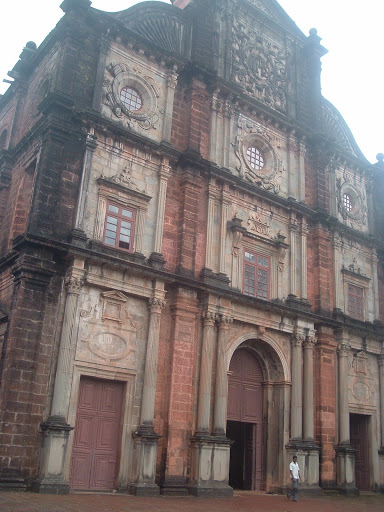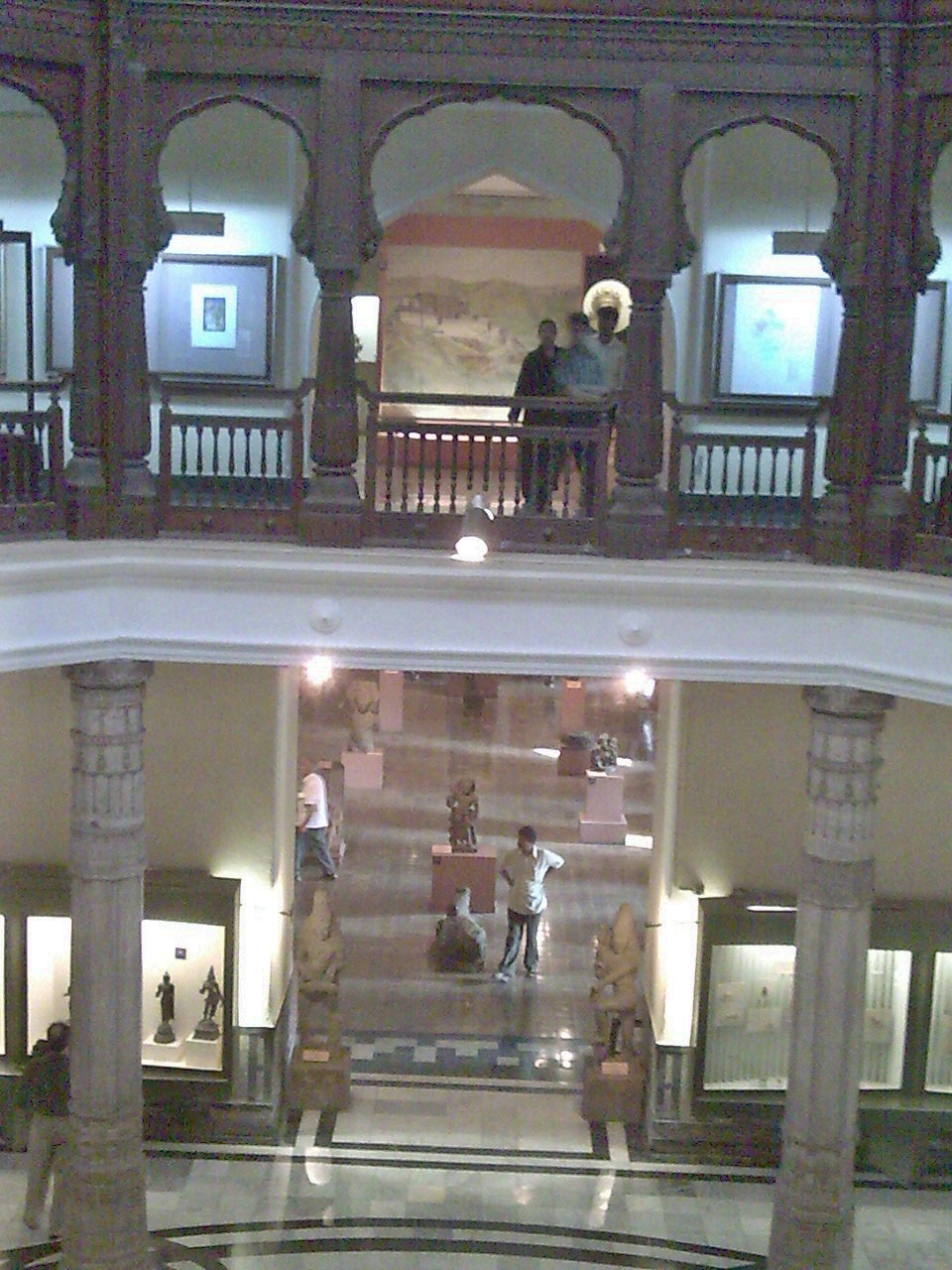

Indian architecture, belonging to different periods of history, bears the stamp of respective periods. Though the cities of Indus Valley provide substantial evidence of extensive town planning, the beginnings of Indian architecture can be traced back to the advent of Buddhism in India. It was in this period that a large number of magnificent buildings came up. Some of the highlights of Buddhist art and architecture are the Great Stupa at Sanchi and the rock-cut caves at Ajanta. Indian Architecture is categorized mainly in the following styles.
Chatrapati Shivaji Terminus, Mumbai
Designed by British architect Frederick William Stevens. The station building was designed in the Victorian Gothic style of architecture. The building exhibits a fusion of influences from Victorian Italianate Gothic Revival architecture and traditional Indian architecture.
Indo Islamic Architecture
The medieval period saw great developments in the field of architecture. With the coming of Muslims to India, many new features came to be introduced in buildings. The development of Muslim Style of Architecture of this period can be called the Indo-Islamic Architecture or the Indian Architecture influenced by Islamic Art. The Indo-Islamic style was neither strictly Islamic nor strictly Hindu.
Ancient Architecture
Indian architecture is as old as the history of the civilization. The earliest remains of recognizable building activity in the India dates back to the Indus Valley cities. Among India's ancient architectural remains, the most characteristic are the temples, Chaityas, Viharas, Stupas and other religious structures.
Temple Architecture
In ancient India, temple architecture of high standard developed in almost all regions. The distinct architectural style of temple construction in different parts was a result of geographical, climatic, ethnic, racial, historical and linguistic diversities. Ancient Indian temples are classified in three broad types. This classification is based on different architectural styles, employed in the construction of the temples.
Kandhariya Mahadeo Mandir, Khajuraho
Shiv mandir, Ambernath Photos
Ghrishneshwar temple, Daulatabad. Photos
Modern Indian Architecture
Modern Indian architectural styles are imitations of western styles. However some modern Indian monuments are praiseworthy for their originality and creativity in design.
Chandigadh Secretariat
Phiroze Jeejeebhoy Tower
Lotus Temple, Delhi
Infosys campus, Pune
Infosys campus Coimbatore
Matrimandir, Auroville, Tamilnadu.
Maharashtra vidhan bhavan
More posts will be added time to time.
Colonial Architecture
Like all other aspects, colonization of Indian also had an impact on architecture styles. With colonization, a new chapter in Indian architecture began. The Dutch, Portuguese and the French made their presence felt through their buildings but it was the English who had a lasting impact on architecture. See some of the examples of colonial architecture in India.
Like all other aspects, colonization of Indian also had an impact on architecture styles. With colonization, a new chapter in Indian architecture began. The Dutch, Portuguese and the French made their presence felt through their buildings but it was the English who had a lasting impact on architecture. See some of the examples of colonial architecture in India.
Designed by British architect Frederick William Stevens. The station building was designed in the Victorian Gothic style of architecture. The building exhibits a fusion of influences from Victorian Italianate Gothic Revival architecture and traditional Indian architecture.
Indo Islamic Architecture
The medieval period saw great developments in the field of architecture. With the coming of Muslims to India, many new features came to be introduced in buildings. The development of Muslim Style of Architecture of this period can be called the Indo-Islamic Architecture or the Indian Architecture influenced by Islamic Art. The Indo-Islamic style was neither strictly Islamic nor strictly Hindu.
Ancient Architecture
Indian architecture is as old as the history of the civilization. The earliest remains of recognizable building activity in the India dates back to the Indus Valley cities. Among India's ancient architectural remains, the most characteristic are the temples, Chaityas, Viharas, Stupas and other religious structures.
Harappan Architecture Photo
Rock Cut Cave Architecture
The cave architecture in India is believed to have begun in the third century BC. These caves were used by Buddhist and Jain monks as places of worship and residence. Initially the caves were excavated in the western India. Some examples of this type of cave structure are Chaityas and Viharas of Buddhists.
The Rock-cut structures present the most spectacular piece of ancient Indian art specimen. Most of the rock-cut structures were related to various religious communities. In the beginning, remarkable Buddhist and Jain monuments were produced in areas such as Bihar in the east and Maharashtra in the west.
Rock Cut Cave Architecture
The cave architecture in India is believed to have begun in the third century BC. These caves were used by Buddhist and Jain monks as places of worship and residence. Initially the caves were excavated in the western India. Some examples of this type of cave structure are Chaityas and Viharas of Buddhists.
The Rock-cut structures present the most spectacular piece of ancient Indian art specimen. Most of the rock-cut structures were related to various religious communities. In the beginning, remarkable Buddhist and Jain monuments were produced in areas such as Bihar in the east and Maharashtra in the west.
Temple Architecture
In ancient India, temple architecture of high standard developed in almost all regions. The distinct architectural style of temple construction in different parts was a result of geographical, climatic, ethnic, racial, historical and linguistic diversities. Ancient Indian temples are classified in three broad types. This classification is based on different architectural styles, employed in the construction of the temples.
Kandhariya Mahadeo Mandir, Khajuraho
Shiv mandir, Ambernath Photos
Ghrishneshwar temple, Daulatabad. Photos
Modern Indian Architecture
Modern Indian architectural styles are imitations of western styles. However some modern Indian monuments are praiseworthy for their originality and creativity in design.
Chandigadh Secretariat
Phiroze Jeejeebhoy Tower
Lotus Temple, Delhi
Infosys campus, Pune
Infosys campus Coimbatore
Matrimandir, Auroville, Tamilnadu.
Maharashtra vidhan bhavan
More posts will be added time to time.